
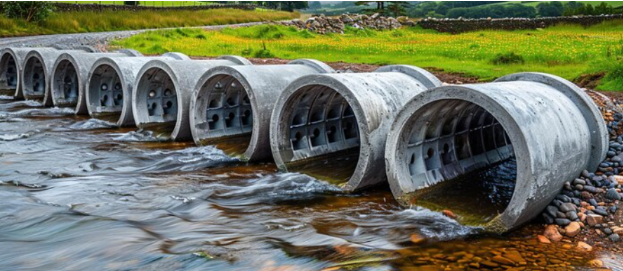

Road drainage is an important part of modern infrastructure, especially in areas that receive heavy rainfall. Without proper drainage, water can collect on roads, damage surfaces, and create unsafe driving conditions. One of the most effective solutions used in road construction is culverts. These structures help move water safely under roads, preventing blockages and reducing the risk of flooding. By guiding water away from road surfaces, culverts play a key role in keeping roads safe, durable, and usable in all weather conditions.
What Are Culverts and How They Work
Culverts are small passageways or pipes built under roads, railways, or embankments to allow water to flow from one side to the other. They are usually made of concrete, steel, or plastic depending on the location and water volume. When rainwater or stream water collects on one side of a road, culverts provide a controlled path for it to pass underneath instead of overflowing onto the road surface. This simple but effective design helps maintain natural water flow while protecting road structures from water damage.
Role in Road Drainage Systems
In any road drainage system, culverts work together with ditches, channels, and stormwater drains. Their main role is to carry excess water away from the road quickly and safely. When properly designed, culverts reduce water pressure on road surfaces and surrounding soil. This helps prevent erosion and weakening of the road foundation. Without culverts, water would have no proper outlet, which could lead to pooling, surface cracks, and even road collapse in severe cases.
Preventing Flooding and Road Damage
One of the biggest benefits of culverts is their ability to prevent flooding. During heavy rainfall, large amounts of water can accumulate in a short time. Culverts allow this water to pass under the road instead of blocking traffic or flooding nearby areas. This reduces the chances of accidents and traffic delays. In rural and urban areas alike, culverts also protect farmland, homes, and other infrastructure by controlling water movement. By managing water flow effectively, they help reduce long-term repair costs and extend the life of roads.
Maintenance and Importance
Although culverts are designed to be durable, they still require regular inspection and maintenance. Over time, they can become blocked with debris, soil, or vegetation, which reduces their efficiency. Cleaning and checking culverts ensures that water continues to flow smoothly, especially during rainy seasons. Proper maintenance also helps detect early signs of damage, such as cracks or corrosion, before they become serious problems. Keeping culverts in good condition is essential for maintaining a safe and reliable road network.
Conclusion
Culverts are a simple yet powerful solution for managing water in road systems. They help guide water safely under roads, reduce the risk of flooding, and protect road structures from damage. By supporting effective drainage, culverts improve road safety and extend infrastructure lifespan. With proper design and regular maintenance, they remain an essential part of modern transportation systems, ensuring that roads stay functional even during heavy rainfall.