

I am a huge Mets fan, so I was thrilled to learn that Jorge Polanco is having his Achilles injury treated with PRP injections. I’m hoping his return is imminent. By the way, Polanco isn’t the only pro athlete to rely on PRP therapy. The therapy is actually the secret weapon of injured pro athletes looking to get back into competition.
‘PRP’ is an acronym that stands for platelet-rich plasma. PRP therapy uses the plasma to treat soft tissue injuries, including torn ligaments and tendons. To some, it sounds like a space-age treatment reserved only for the uber-wealthy. But PRP therapy is accessible to just about anyone.
The Basics of How It Works
At Lone Star Pain Medicine in Weatherford, TX, PRP therapy is frequently recommended for certain types of soft tissue injuries. Lone Star doctors say the treatment is rooted in the understanding that human blood is mostly plasma. But that plasma also contains red and white blood cells along with platelets.
Platelets’ claim to fame is their ability to clot. The platelets also act as a natural construction crew. They are packed with powerful proteins called growth factors, proteins that are absolutely critical when it comes time to heal from injury.
In essence, PRP therapy bathes the injury site in a flood of platelets and growth factors. This tells the body’s immune system that an injury is taken place. The body responds with additional building materials to complete the healing process.
A Three-Stage Treatment
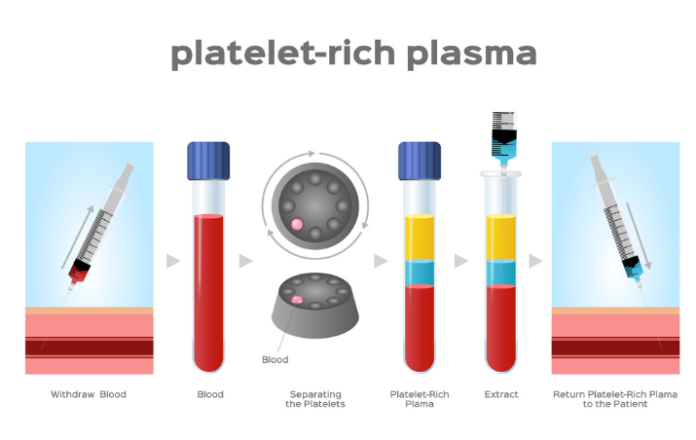
As an injection therapy, PRP therapy is as easy to conduct as it is to understand. Pain medicine doctors follow a simple, three-stage treatment as follows:
- Blood Draw – The first stage involves drawing blood from the patient. Because the patient is providing his own blood. There is zero risk of rejection and very little risk of complications.
- Centrifuge Processing – Stage two involves spinning the blood in a specialized centrifuge. Spinning isolates the desired platelets and growth factors.
- Plasma Injection – The final stage involves injecting the spun material at the site of injury. Most doctors will utilize fluoroscopy to make sure needle placement is correct.
In the early days of PRP therapy, fluoroscopy wasn’t used. Doctors eventually realized the importance of precise needle placement. Fluoroscopy became the imaging technology of choice because it makes needle placement so much easier.
Why Pro Athletes Choose It So Frequently
Some of the world’s most elite athletes have chosen PRP therapy over other procedures. Their reasoning can be explained in a single word: blood.
The body needs an ample supply of blood to heal. When a bone is broken or a muscle pulled, it receives enough blood to heal fairly quickly. But tendons and ligaments are notorious for not getting enough blood.
Ligament and tendon injuries heal much more slowly as a result. But pro athletes do not like waiting around. They want to be back in the competition as quickly as possible. PRP therapy acts almost like a biological shortcut.
Certain types of athletes, like baseball pitchers, prefer PRP therapy because it could help them avoid career-ending surgery. Remember that surgery is invasive. It is also not successful 100% of the time. So some pro-athletes are willing to try PRP therapy before going under the knife.
As for you and I, we can check out PRP therapy for ourselves. If you are interested, make an appointment with a pain medicine specialist to talk about your case. Just know this: if PRP therapy is recommended, you’ll probably have to pay for it out of pocket. Most insurance plans do not cover it.