
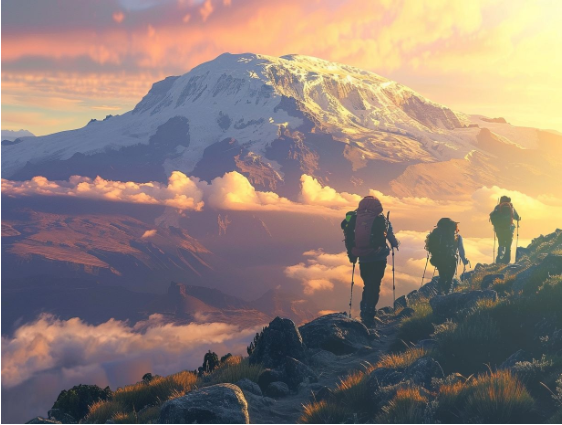

Climbing Mount Kilimanjaro is a remarkable achievement, attracting thousands of trekkers each year. Standing at 5,895 meters (19,341 feet), it is the highest peak in Africa and one of the world’s most accessible high-altitude mountains. Despite its non-technical nature, the greatest challenge climbers face is not terrain but altitude.
Understanding Kilimanjaro altitude and acclimatization tips, strategies is essential for a safe and successful ascent. This guide provides a detailed exploration of how altitude affects the body, the risks involved, and practical acclimatization tips to maximize your chances of reaching the summit.
Understanding Altitude on Kilimanjaro
Altitude refers to the elevation above sea level, and as you ascend, atmospheric pressure decreases. This results in lower oxygen availability, which can significantly affect the human body.
On Mount Kilimanjaro, trekkers typically begin their journey around 1,800 meters and ascend rapidly to nearly 6,000 meters in just a few days. This rapid gain in elevation is what makes altitude sickness a primary concern.
Key Altitude Zones
- Low Altitude (Below 2,500 meters)
Minimal impact on most individuals. - Moderate Altitude (2,500–3,500 meters)
Mild symptoms such as shortness of breath may begin. - High Altitude (3,500–5,500 meters)
Significant reduction in oxygen; risk of Acute Mountain Sickness (AMS). - Extreme Altitude (Above 5,500 meters)
Severe oxygen deprivation; only short-term exposure is safe.
Effects of Altitude on the Body
As altitude increases, the body struggles to obtain sufficient oxygen. This condition, known as hypoxia, leads to various physiological responses.
Common Symptoms
- Headache
- Nausea
- Fatigue
- Dizziness
- Loss of appetite
- Sleep disturbances
Severe Conditions
- Acute Mountain Sickness (AMS)
The most common altitude-related illness. - High Altitude Pulmonary Edema (HAPE)
Fluid accumulation in the lungs, potentially life-threatening. - High Altitude Cerebral Edema (HACE)
Swelling of the brain, a medical emergency.
Recognizing early symptoms and responding appropriately is critical during a Kilimanjaro climb.
Why Acclimatization Matters
Acclimatization is the process by which the body adapts to reduced oxygen levels. Without proper acclimatization, climbers risk serious health issues and decreased chances of reaching the summit.
Effective acclimatization allows the body to:
- Increase breathing rate
- Produce more red blood cells
- Improve oxygen delivery to tissues
On Mount Kilimanjaro altitude and acclimatization tips are especially challenging due to the rapid ascent profile, making strategic planning essential.
Proven Acclimatization Tips for Kilimanjaro
1. Choose a Longer Route
Longer routes provide more time for the body to adjust. Popular options such as the Lemosho or Northern Circuit routes offer better acclimatization compared to shorter routes like Marangu.
- Recommended duration: 7–9 days
- Higher success rate due to gradual ascent
2. Follow the “Climb High, Sleep Low” Principle
This strategy involves ascending to a higher altitude during the day and descending slightly to sleep.
Benefits include:
- Enhanced adaptation to altitude
- Reduced risk of AMS
- Improved oxygen efficiency
Many Kilimanjaro itineraries incorporate this technique naturally.
3. Maintain a Slow and Steady Pace
The phrase “pole pole” (slowly, slowly in Swahili) is central to Kilimanjaro trekking culture.
- Avoid rushing
- Conserve energy
- Allow your body to adapt gradually
A slower pace significantly increases summit success rates.
4. Stay Properly Hydrated
Dehydration worsens altitude sickness symptoms.
- Drink 3–4 liters of water daily
- Avoid excessive caffeine and alcohol
- Monitor urine color (light color indicates proper hydration)
5. Eat Nutritious, High-Energy Foods
At altitude, appetite may decrease, but maintaining energy intake is essential.
- Focus on carbohydrates
- Include fruits, vegetables, and protein
- Eat even when not hungry
Proper nutrition supports acclimatization and overall endurance.
6. Consider Preventative Medication
Medications such as Acetazolamide (Diamox) are commonly used to prevent altitude sickness.
- Consult a healthcare professional before use
- Begin dosage before ascent
- Use as a supplement, not a substitute for acclimatization
7. Listen to Your Body
Ignoring symptoms can be dangerous.
- Report discomfort to your guide immediately
- Do not push through severe symptoms
- Be prepared to descend if necessary
Safety should always take priority over reaching the summit.
8. Get Adequate Rest
Sleep is often disrupted at high altitudes, but rest remains vital.
- Maintain a consistent sleep schedule
- Use proper sleeping gear
- Avoid overexertion during the day
9. Avoid Alcohol and Smoking
Both can impair oxygen absorption and worsen symptoms.
- Refrain from alcohol during the climb
- Avoid smoking before and during the trek
10. Train Before Your Climb
Physical fitness does not prevent altitude sickness, but it improves overall performance.
Recommended preparation:
- Cardiovascular training (hiking, running)
- Strength training
- Practice hikes at elevation if possible
Best Routes for Acclimatization
Some Kilimanjaro routes are specifically designed to optimize acclimatization:
- Lemosho Route: Gradual ascent and excellent acclimatization profile
- Machame Route: Includes “climb high, sleep low” opportunities
- Northern Circuit: Longest route with highest success rate
Shorter routes may be appealing but carry higher risks due to limited acclimatization time.
Summit Day: The Ultimate Test
Summit night is the most physically and mentally demanding part of the climb.
- Start around midnight
- Extremely cold temperatures
- Thin air at nearly 6,000 meters
Proper acclimatization plays a decisive role in successfully reaching Uhuru Peak.
Key Takeaways
- Altitude is the primary challenge on Mount Kilimanjaro.
- Acclimatization is essential for safety and success.
- Choose longer routes (7–9 days) for better adaptation.
- Follow “climb high, sleep low” strategies.
- Maintain hydration, nutrition, and a slow pace.
- Recognize and respond to symptoms early.
- Medications like Acetazolamide can assist but should not replace proper acclimatization.
- Physical preparation enhances endurance but does not eliminate altitude risks.
Frequently Asked Questions (Q&A)
1. What is the biggest challenge when climbing Kilimanjaro?
The biggest challenge is altitude, not technical difficulty. Reduced oxygen levels significantly affect physical performance and health.
2. How common is altitude sickness on Kilimanjaro?
Altitude sickness is quite common, with many climbers experiencing mild symptoms. Proper acclimatization reduces severity and risk.
3. How can I improve my chances of reaching the summit?
Choose a longer route, maintain a slow pace, stay hydrated, and follow acclimatization strategies consistently.
4. Is Diamox necessary for climbing Kilimanjaro?
Not mandatory, but Acetazolamide can help prevent symptoms. Always consult a doctor before use.
5. How long does acclimatization take?
Acclimatization is gradual and occurs throughout the climb. Routes lasting 7–9 days provide sufficient time for most climbers.
6. Can physical fitness prevent altitude sickness?
No. Even highly fit individuals can experience altitude sickness. Acclimatization is the key factor.
7. What should I do if I feel symptoms of altitude sickness?
Inform your guide immediately, rest, and hydrate. If symptoms worsen, descend promptly.
Conclusion
Climbing Mount Kilimanjaro altitude and acclimatization tips is a life-changing experience, but altitude presents a serious and unavoidable challenge. Success on the mountain depends largely on how well your body adapts to decreasing oxygen levels.
By understanding the effects of altitude and implementing proven acclimatization strategies—such as choosing longer routes, maintaining a slow pace, staying hydrated, and monitoring symptoms—you can significantly improve both safety and summit success rates.
Preparation, patience, and awareness are the foundations of a successful Kilimanjaro climb. With the right approach, reaching Uhuru Peak becomes not just possible, but highly achievable.